If you've ever tried to explain Egyptian slang to a non-Egyptian, you know the struggle. Egyptian Arabic isn't just a language. It's a sport, an art form, and a whole vibe.
So grab a cup of mint tea (shai b' na3na3), get comfortable, and let's dive into my completely unverified (but definitely more entertaining) theories about where our top 10 phrases came from.
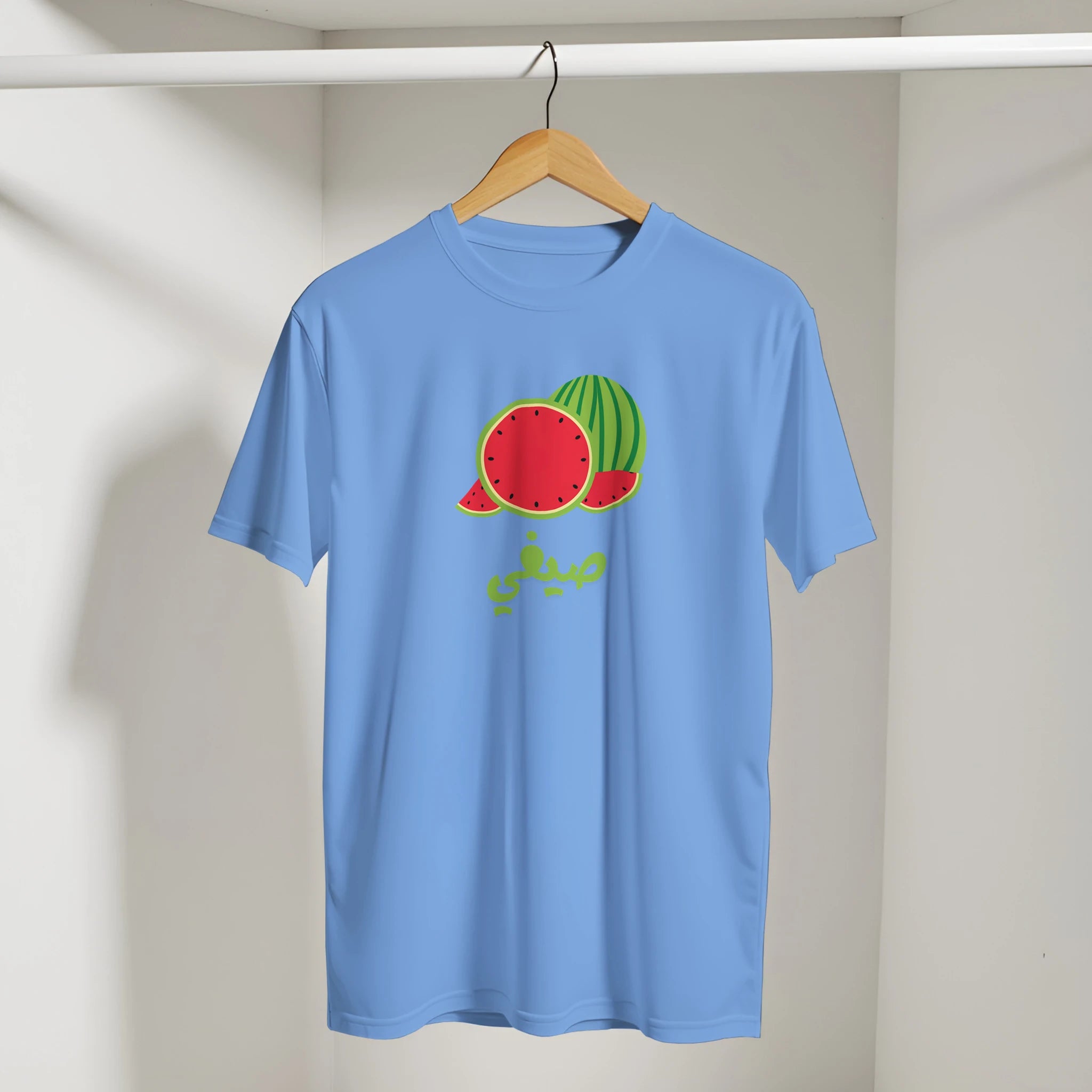
Heads up: a few of these live on our tees and hoodies. Look for the 🛍️ cards if you want to wear your favorite.
1. Fukkak | فكك
- Literal translation: "Unscrew it."
- The real meaning: The ultimate zen command. "Chill out," "forget about it," "let it go," and "it's not that deep, bro," all rolled into one beautifully dismissive word.
- My theory: It was invented by an ancient Egyptian engineer working on the pyramids. He spent three weeks trying to get one stone block into place, and it just wouldn't fit. Finally, sweating under the Giza sun, he threw his papyrus clipboard on the ground and yelled, "FUKKAK! Unscrew the whole thing! We'll use a smaller rock." A legend was born.

2. Eshta | قشطة
- Literal translation: "Cream."
- The real meaning: "Cool," "sounds good," "awesome," "okay." The most versatile yes in the Egyptian language.
- My theory: There was a pharaoh (let's call him Pharaoh Fat-Hoot-Enkhamun) who was obsessed with cream. He put it on everything. His advisors would come to him with news: "The harvest was plentiful, Your Majesty!" "Eshta." "We have defeated our enemies!" "Double eshta." Eventually it became the official royal seal of approval for anything good.

3. Yalahwi! | يا لهوي
- Literal translation: "Oh, my!"
- The real meaning: The most dramatic "OMG" you will ever hear. Reserved for pure shock, or for when Tante Soha spills the tea.
- My theory: "Lahwy" was an actual person: the most chaotic, accident-prone man in his village. He'd trip into market stalls, accidentally dye the town well purple, and once set a camel loose during a wedding. Whenever villagers saw him coming, they'd sigh, "Ya Lahwy..." because they knew something was about to go down.
4. Tannish | طنش
- Literal translation: "Ignore."
- The real meaning: Not just ignoring. It's an active, conscious decision to treat something like invisible air. It's a superpower.
- My theory: This was the signature move of a legendary oud player in old Cairo. When a heckler tried to throw him off, he didn't get angry. He mentally "detuned" his ears until the heckler was just meaningless noise. He called it the art of Tannish, and it's been a pillar of Egyptian self-care ever since. We believe in it so much, we put it on a shirt. Wear it as your shield against negativity.

5. Meyya Meyya | مية مية
- Literal translation: "One hundred, one hundred."
- The real meaning: "Perfect," "A+," "absolutely flawless."
- My theory: Fun fact: meyya means both "one hundred" and "water." So obviously this started with the first official Nile River Quality Inspector. Every day he tasted the water. Good day? "Meyya." But on those rare, perfect days after the flood, when the water was crisp and clear, he'd shout, "MEYYA MEYYA!" The phrase stuck for anything exceptionally perfect.
6. Istekana | إستكانة
- Literal translation: Honestly? No clean translation. My Arabic isn't THAT good!
- The real meaning: "Calm down," "take a beat," "find your inner peace."
- My theory: There was a famously hyperactive queen who never sat still. Her advisors, desperate for a five-minute break, gave her a tiny, delicate glass of tea (an istikana) and told her its magic only worked if she sat perfectly still and sipped slowly. It worked. Her calm, meditative state became known as "Istekana."

Need an Istekana moment? · Same energy
Ishtiry Dimaghek | اشتري دماغك Hoodie · from $54.95
Shop the hoodie7. Men 3enaya | من عنيا
- Literal translation: "From my eyes."
- The real meaning: A deeply poetic way to say "Sure!" or "I'd be happy to."
- My theory: This had to start with an over-the-top actor from the black-and-white movie era. A director asked, "Can you cry in this next scene?" He pointed dramatically at his face and declared, "For you? I will do it WITH MY EYES! Take them if you must!" The phrase caught on, with slightly less drama. (Slightly.)
8. Ya Basha | يا باشا
- Literal translation: "Oh, Pasha."
- The real meaning: "Boss," "chief," "my friend." Respect and friendliness in two words, for literally anyone.
- My theory: Sure, it started with the Ottomans. But its true power was discovered by a 1920s street vendor who realized that calling every customer "Basha" made them stand up straighter and leave a bigger tip. The world's first customer-service life hack, and it spread like wildfire.
9. El Shai Mna3na3 W El Mazag Mla3la3 | الشاي منعنع والمزاج ملعلع
- Literal translation: "The tea is minty and the mood is sparkling."
- The real meaning: Life is good, the vibes are immaculate, everything is perfect.
- My theory: This isn't a phrase. It's a scientific formula discovered by ancient Egyptian philosophers, who found a direct link between mint and the brain's "sparkle" receptors. Tea + mint = sparkling mood. It's a proven theorem, and we were the first to put it on a shirt.

10. Yalla | يلا
- Literal translation: From "Ya Allah" ("Oh, God").
- The real meaning: "Let's go," "hurry up," "okay, bye," and "come ON!"
- My theory: "Yalla" isn't a word. It's an ancient, impatient spirit that possesses people: grandmothers trying to get everyone in the car, friends who've debated a restaurant for 45 minutes, and every single driver in Cairo. You don't say "Yalla." "Yalla" says you.
Should Yalla be our next design? Comment "YALLA" below. If enough of you want it, we'll make it. 👇
Wear Your Favorite Phrase
Our language is a treasure chest of humor, history, and heart, and it deserves to be seen. Every Cairo NYC design is made to start conversations (and maybe a few "ya lahwy"s).
- 🛍️ Eshta | قشطة for when everything's good
- 🛍️ Tannish | طنش for when you're choosing peace
- 🛍️ Shai Mna3na3 | الشاي منعنع for the tea lovers
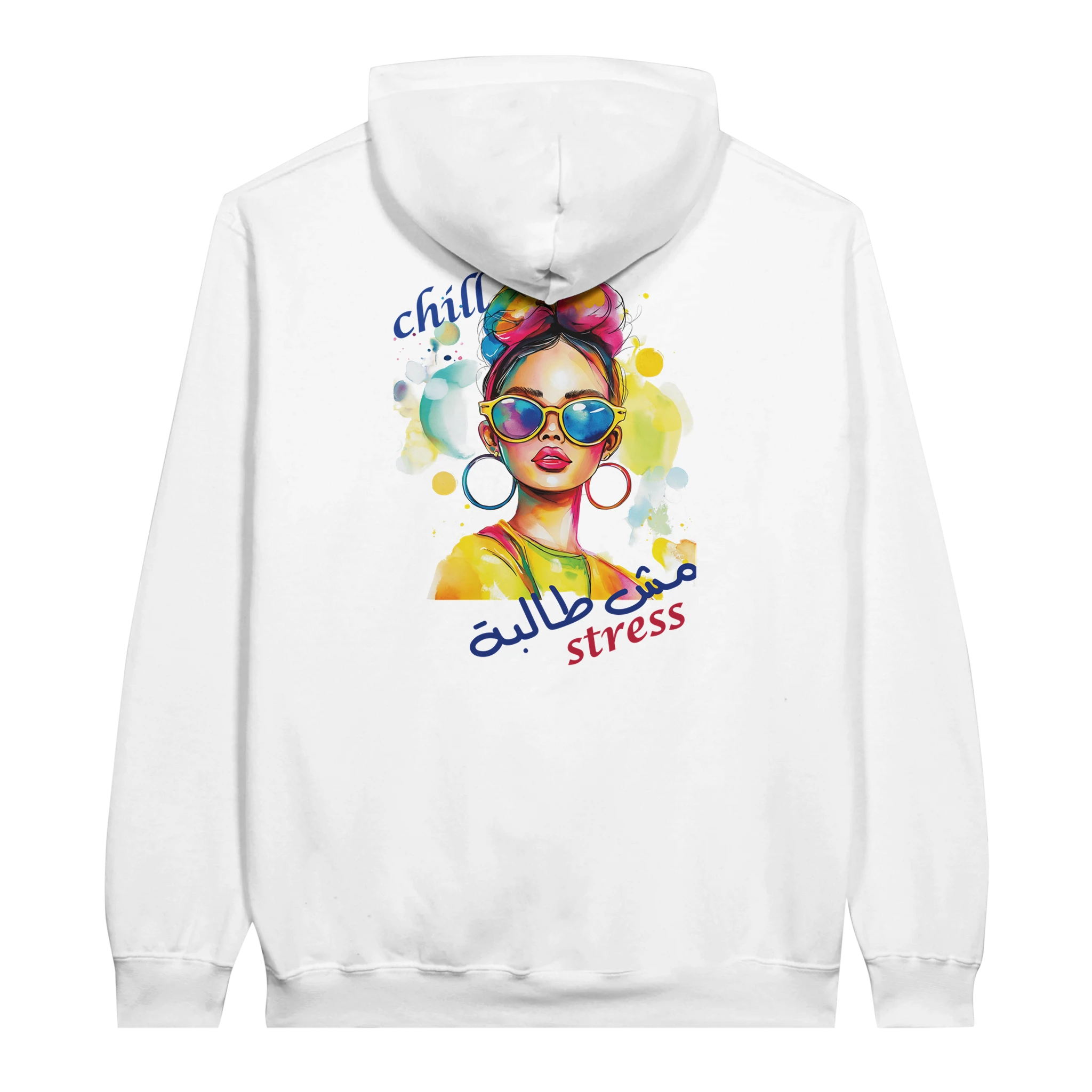
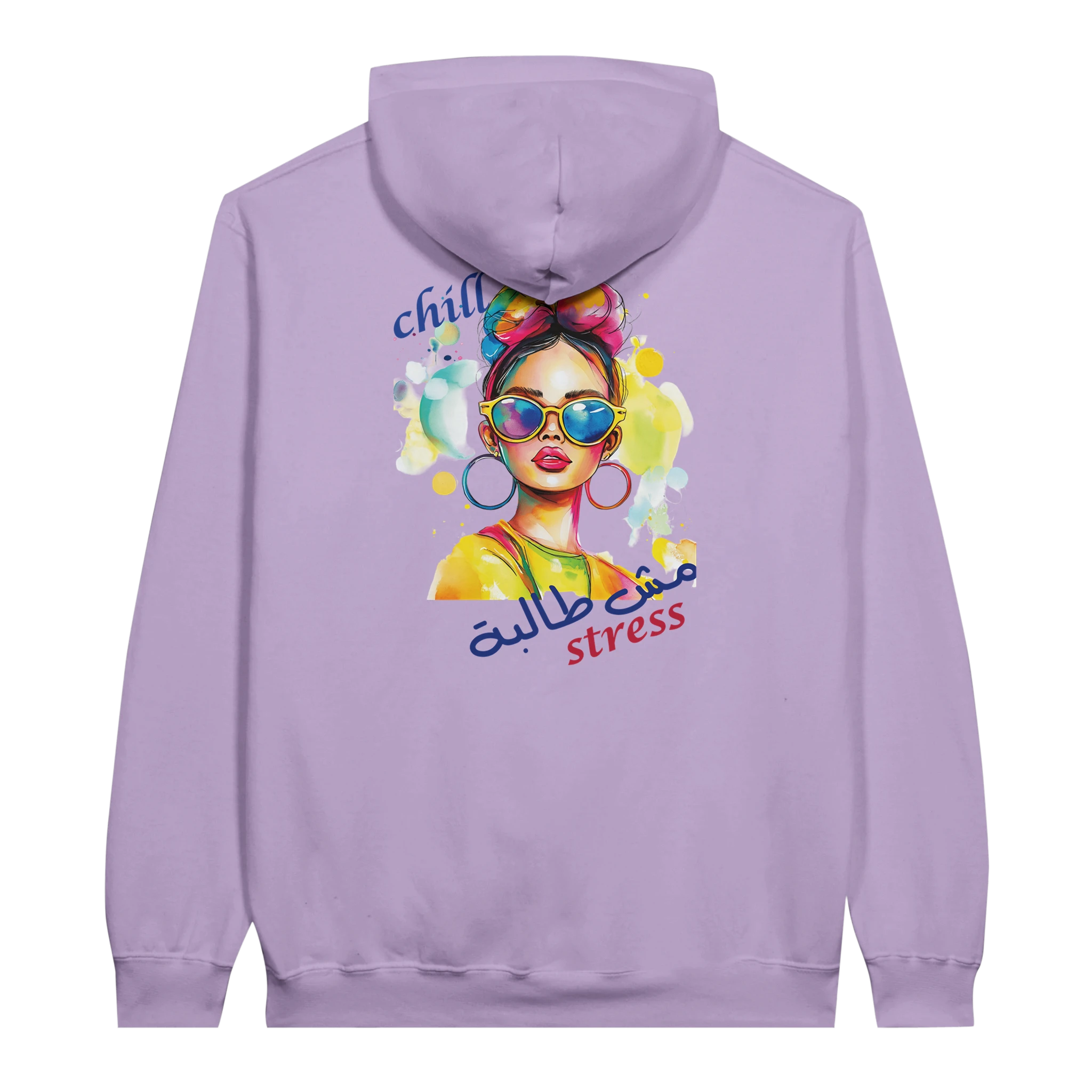
- 🛍️ Chill… مش طالبة stress for your inner Fukkak
- Or browse all tees, all hoodies, or everything. Free US shipping. 🇪🇬
Want outfit ideas? Read how to style Arabic streetwear and 4 ways to style an Arabic hoodie.
What's YOUR favorite Egyptian slang phrase? Drop it in the comments. The best ones might just end up on our next design. 😉